Back Pain Sitting & Driving Treatment in Gorey
Back pain when sitting or driving is one of the most common issues we see at Physio Solutions. It often presents as:
- A dull ache in the lower back
- Stiffness after sitting for a period of time
- Pain when getting up from a chair or car
- Discomfort during long drives
This type of back pain can be frustrating, especially when it affects your work, commuting or daily life. You can also visit our Back Pain Treatment page for a broader overview of lower back pain.
Why Does My Back Hurt When Sitting?
Sitting places your lower back under sustained load. Over time, this can lead to stiffness in the joints of the spine, increased sensitivity in the back, muscle fatigue and reduced movement.
It’s not usually one single cause – more often a combination of prolonged sitting, posture habits, reduced movement throughout the day and changes in activity levels. This type of pain is often mechanical in nature, meaning it is influenced by movement, posture and load rather than a serious injury.
Why Is Driving Often Worse?
Driving can make back pain worse because you are sitting for longer periods, movement is more restricted, your posture is fixed, and vibrations from the road can irritate the back. People often notice pain building gradually during a drive, stiffness when getting out of the car, and difficulty straightening up afterwards.
Common Symptoms
You may experience:
- Lower back stiffness after sitting
- Pain when standing up
- Discomfort during long drives
- A feeling of tightness in the back
- Occasional pain into the buttock
These symptoms are often worse at the end of the day or after prolonged sitting.
Is It a Disc Problem?
Many people worry that pain when sitting means a disc injury. Sometimes it can be related, but often it is due to joint stiffness, muscle fatigue or sensitivity in the back. A detailed physiotherapy assessment can help determine the cause.
If you have pain travelling into your leg, you may want to read our Sciatica page.
We See This Every Day
Sitting-related back pain is extremely common and something we treat every day at Physio Solutions. It usually responds very well to the right combination of movement, exercise and simple changes to daily habits.
Physiotherapy Treatment for Sitting-Related Back Pain
Treatment focuses on reducing stiffness and helping your back tolerate sitting better.
- Early stage – reduce pain and stiffness, restore gentle movement and keep you active.
- Recovery phase – improve spinal mobility, reduce sensitivity and build tolerance to sitting.
- Strength & rehabilitation phase – strengthen the back and surrounding muscles, improve posture and movement habits and reduce recurrence.
Exercise for Back Pain When Sitting
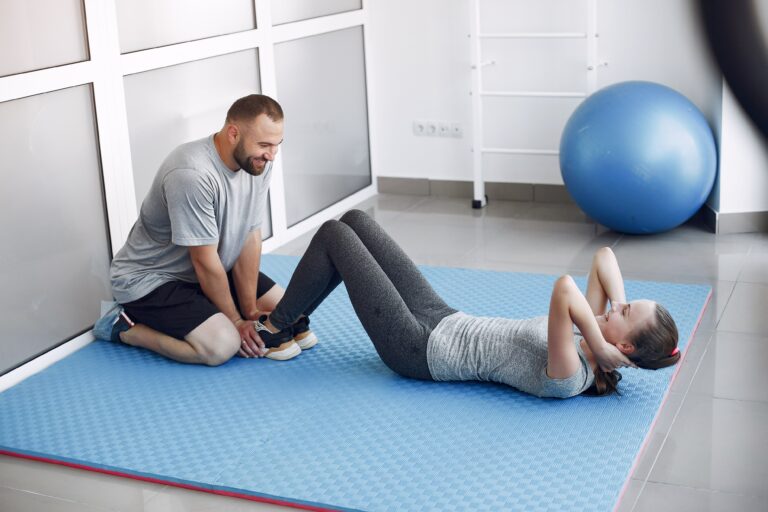
Exercise is key to recovery. This may include mobility exercises, stretching, strengthening work and regular movement throughout the day. Small changes, such as taking breaks and moving regularly, can make a big difference.
Practical Tips That Help
Avoid sitting for long uninterrupted periods.
Take regular standing or walking breaks.
Adjust your seat position.
Change posture regularly rather than staying rigid.
Stay active where possible.
Hands-On Treatment Options
In some cases, treatment may include spinal mobilisation, soft tissue therapy, dry needling and laser therapy. These treatments can help reduce pain and improve movement.
When Should You Seek Treatment?
You should consider physiotherapy if:
- Pain is not improving
- Sitting or driving is becoming difficult
- Symptoms keep returning
- Your daily life or work is affected
Early treatment can help prevent long-term problems.
Who This Treatment Is For
Physiotherapy can help if you:
- Have a desk-based job
- Spend long periods driving
- Feel stiff when getting up
- Have recurring back pain
Book a Back Pain Assessment
Back pain related to sitting and driving can be frustrating, especially when it affects your work and daily life. We help you understand your pain and guide you through a plan to improve movement and reduce discomfort. When booking, select “Initial Physiotherapy Appointment”.