TMJ Pain Conditions & Rehabilitation
Introduction
Jaw pain and dysfunction can significantly impact daily activities such as eating, speaking, yawning, and even sleeping. Pain around the jaw is frequently related to irritation of the temporomandibular joint (TMJ) or the muscles that control its movement. Because the TMJ sits close to the ear and connects directly with the muscles of the face, head, and neck, jaw dysfunction can also refer pain to other areas, causing headaches or ear discomfort.
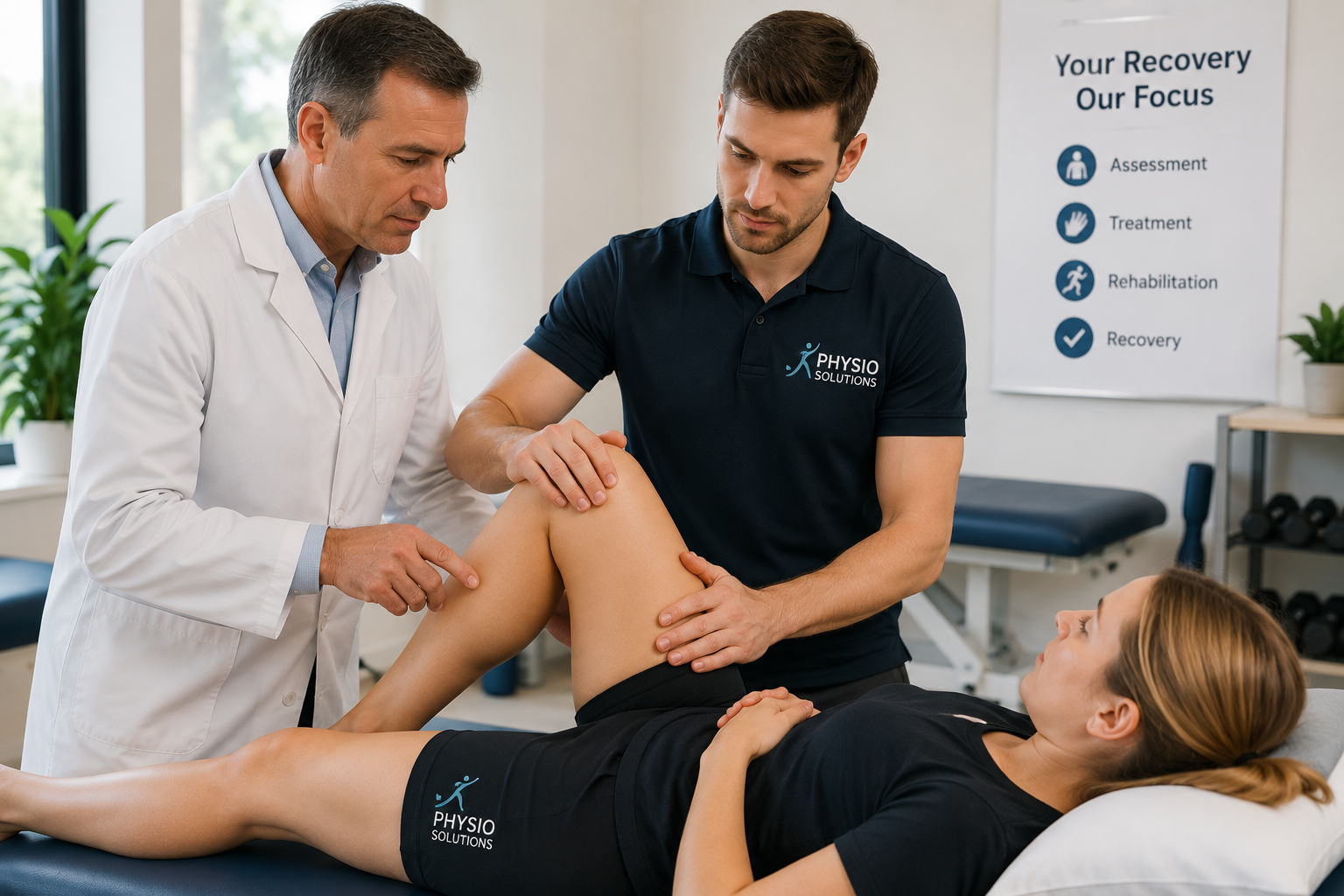
At Physio Solutions in Gorey, our physiotherapy treatment focuses on identifying the underlying cause of your jaw pain, reducing muscle tension, and restoring normal movement.
If you are experiencing jaw-related issues, please see our dedicated guides below:
- Jaw Pain Treatment
- Clicking Jaw
- Jaw Locking
- Teeth Grinding (Bruxism)
- Ear Pain from the Jaw
- TMJ Headaches
Jaw Pain Treatment
Physiotherapy for Jaw Pain (TMJ Pain)
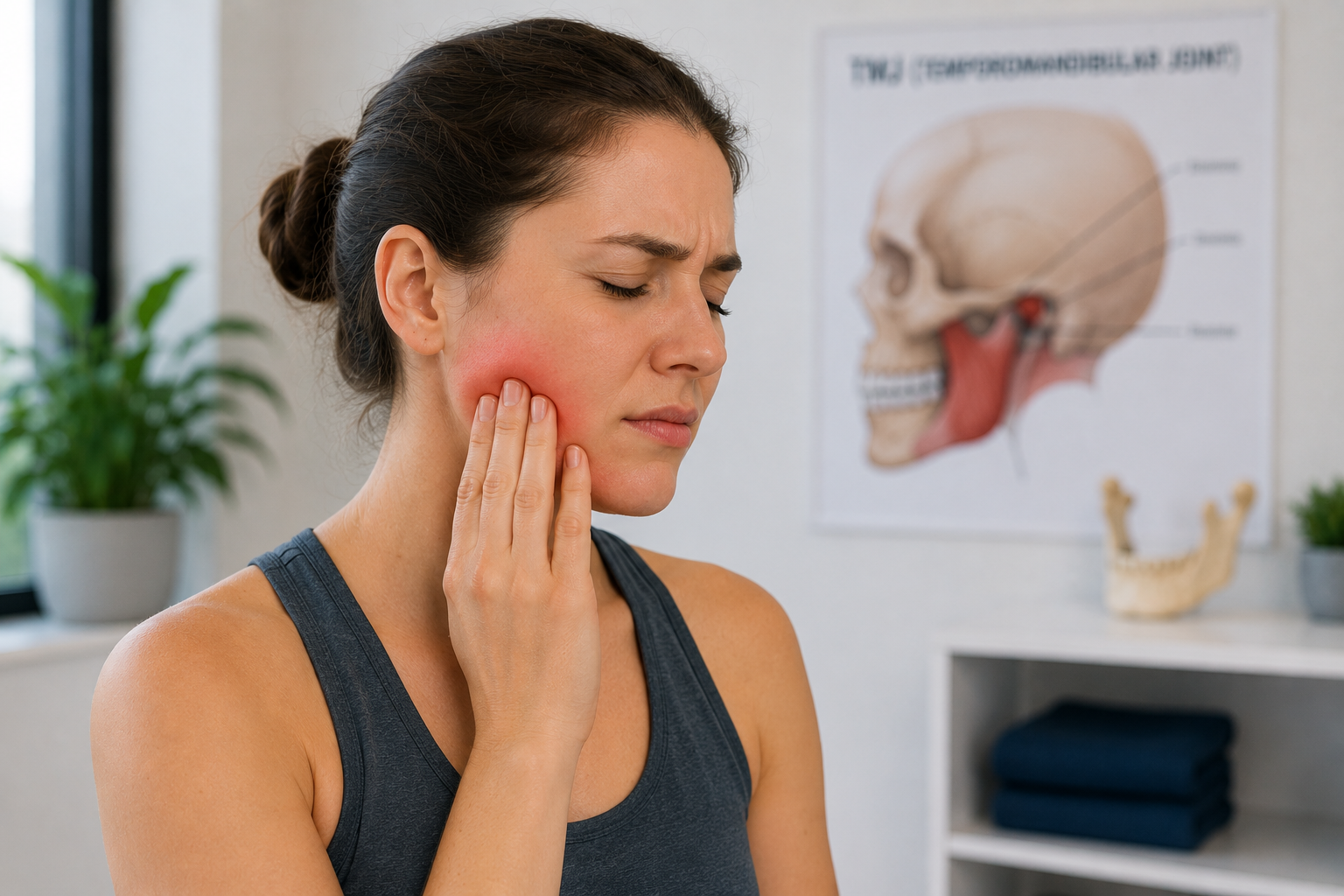
Jaw pain is a common problem that can affect activities such as eating, speaking and yawning. Pain around the jaw is often related to irritation of the temporomandibular joint (TMJ) or the muscles that control jaw movement. The TMJ connects the jawbone to the skull and works closely with the muscles of the face, neck and head. When this system is not functioning properly it can lead to pain or discomfort around the jaw. At Physio Solutions in Gorey, physiotherapy treatment focuses on identifying the underlying cause of jaw pain and restoring normal movement and muscle function.
Symptoms of Jaw Pain
Jaw pain may also occur alongside headaches or neck pain. Jaw pain may include:
- pain around the jaw joint
- discomfort while chewing
- pain near the ear
- stiffness when opening the mouth
- facial muscle tension
Physiotherapy Treatment
Restoring normal movement and reducing muscle tension can significantly improve symptoms. Treatment may include:
- gentle mobilisation of the TMJ
- treatment of tight jaw and neck muscles
- posture correction
- advice on jaw habits such as clenching or grinding
Clicking Jaw
Clicking or Popping in the Jaw
Some people notice a clicking or popping sound when opening or closing their mouth. This often occurs within the temporomandibular joint. In many cases jaw clicking occurs when the small disc within the TMJ moves slightly out of position during jaw movement. Although clicking can sometimes occur without pain, persistent clicking may indicate irritation or dysfunction within the joint.
Symptoms
Jaw clicking may be accompanied by:
- jaw stiffness
- pain while chewing
- difficulty opening the mouth fully
- jaw fatigue
Physiotherapy Treatment
Physiotherapy treatment focuses on improving jaw movement and reducing strain on the joint. These treatments help restore smoother jaw movement and reduce irritation in the joint. Treatment may include:
- TMJ mobilisation techniques
- muscle relaxation techniques
- posture correction
- jaw control exercises
Jaw Locking
Jaw Locking or Difficulty Opening the Mouth
Jaw locking occurs when the jaw becomes stuck or difficult to open or close. This may happen suddenly or develop gradually over time. Locking of the jaw is often related to dysfunction of the temporomandibular joint. Early treatment can help prevent symptoms from becoming more persistent.
Symptoms
These symptoms may occur intermittently or become more persistent over time. Symptoms may include:
- difficulty opening the mouth fully
- jaw becoming stuck temporarily
- pain in the jaw joint
- clicking or popping before locking
Physiotherapy Treatment
Treatment aims to restore normal jaw movement and reduce strain on the joint. This may include:
- TMJ joint mobilisation
- treatment of surrounding muscles
- jaw movement exercises
- posture correction
Teeth Grinding (Bruxism)
Teeth Grinding and Jaw Tension
Teeth grinding, also known as bruxism, occurs when people clench or grind their teeth, often during sleep or periods of stress. This repeated clenching can place significant strain on the jaw muscles and TMJ. Over time this may lead to jaw pain, headaches and facial muscle tension. Many people are unaware they grind their teeth until symptoms develop.
Symptoms of Bruxism
Symptoms may include:
- jaw soreness
- tight jaw muscles
- headaches, particularly in the temples
- worn teeth
- jaw stiffness
Physiotherapy Treatment
Physiotherapy can help reduce muscle tension and improve jaw function. Reducing muscle tension can help relieve symptoms and improve jaw comfort. Treatment may include:
- relaxation techniques for jaw muscles
- treatment of tight facial and neck muscles
- posture correction
- advice on reducing jaw clenching habits
Ear Pain from the Jaw
Ear Pain Related to TMJ Problems
Pain around the ear is sometimes caused by problems with the temporomandibular joint rather than an ear infection. The TMJ sits very close to the ear and shares nerve pathways with structures around the ear and face. This means irritation in the jaw joint can sometimes produce pain that feels like it is coming from the ear. Many people experience these symptoms even when ear examinations appear normal.
Symptoms
Symptoms may include:
- pain in or around the ear
- a feeling of fullness in the ear
- discomfort when chewing
- jaw clicking or stiffness
Physiotherapy Treatment
Treatment focuses on improving jaw and neck function. Addressing problems in the jaw joint can often help reduce ear-related symptoms. This may include:
- TMJ mobilisation
- treatment of surrounding muscles
- posture correction
- jaw movement exercises
TMJ Headaches
Headaches Related to TMJ Dysfunction
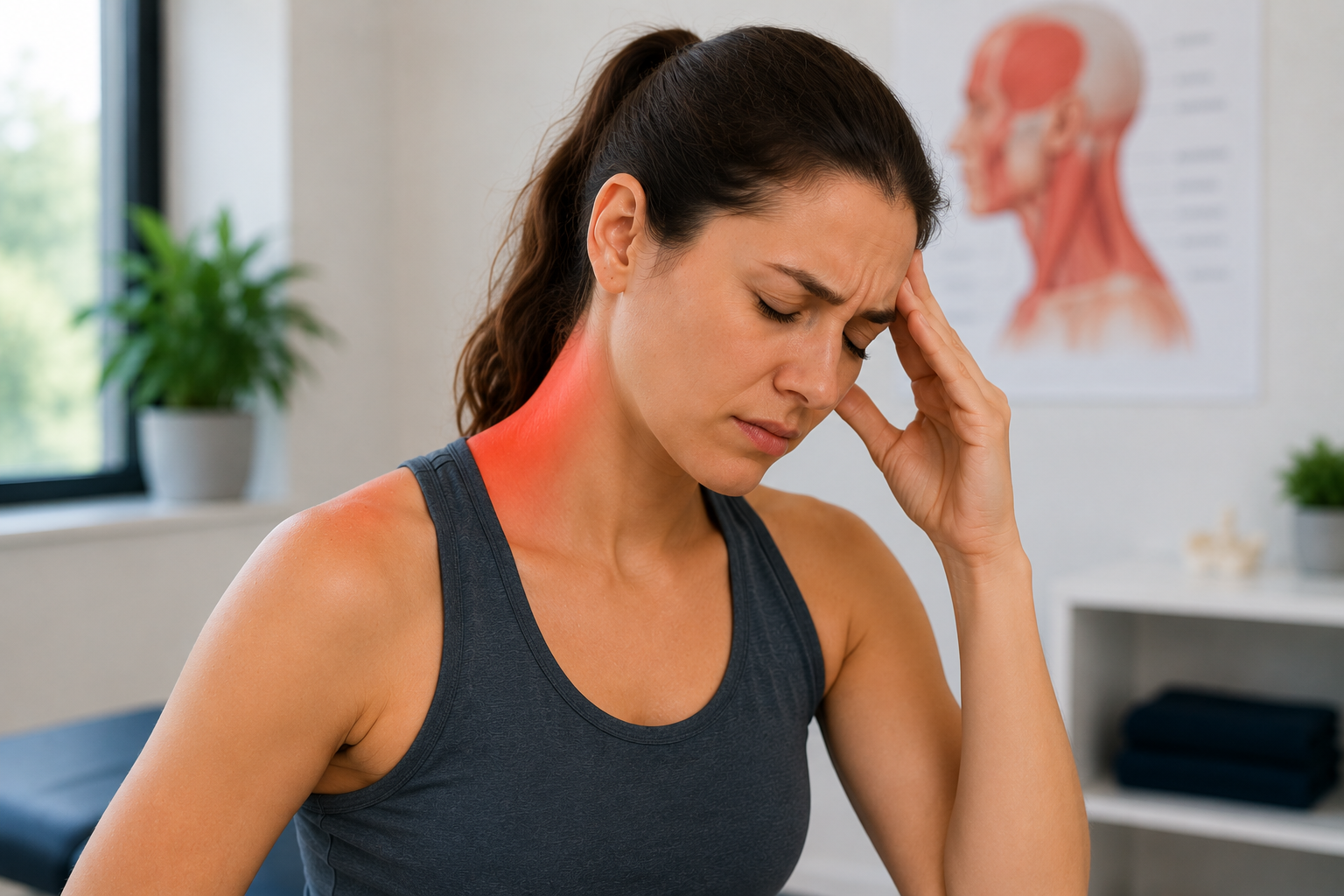
Problems with the jaw joint can sometimes contribute to headaches. The muscles involved in chewing connect closely with the muscles of the temples and neck. When these muscles become tense or overactive they can produce headache symptoms. These headaches may also occur alongside neck stiffness.
Symptoms
TMJ-related headaches may include:
- pain in the temples
- headaches associated with jaw tension
- headaches after chewing or clenching
- facial muscle tightness
Physiotherapy Treatment
Physiotherapy treatment focuses on addressing tension in the jaw and neck to help reduce headache symptoms. Treatment may include:
- treatment of jaw and facial muscles
- neck and upper back treatment
- posture correction
- relaxation and breathing techniques