Trapped Nerve Treatment in Gorey
A “trapped nerve” in the back is a very common reason people experience lower back pain and leg symptoms. People often describe it as a sharp or shooting pain, pain travelling into the leg, or a feeling of something being “caught” or “stuck”.
At Physio Solutions, we regularly assess and treat these types of symptoms, helping people return to normal activity and movement. You can also visit our Back Pain Treatment page for a broader overview, or read more about Sciatica if your pain is travelling down your leg.
What Is a Trapped Nerve?
The term “trapped nerve” is commonly used to describe irritation or sensitivity of a nerve in the back. Many people use it to describe symptoms that may also be referred to as sciatica or nerve-related back pain.
In most cases, the nerve is not actually “trapped”, but may be irritated, compressed or more sensitive than normal. This can happen when structures around the nerve – such as discs, joints or muscles – become irritated.
Symptoms of a Trapped Nerve
Symptoms can vary depending on severity. Common symptoms include:
- Sharp or shooting pain
- Pain travelling into the buttock or leg
- Tingling or pins and needles
- Numbness
- Muscle weakness
Symptoms may worsen with sitting, bending or certain movements.
What Causes a Trapped Nerve?
A “trapped nerve” can be caused by a number of factors, including:
- Disc irritation or bulging
- Joint stiffness in the spine
- Muscle tension or spasm
- Inflammation around the nerve
- Increased sensitivity in the nervous system
In many cases, it is a combination of factors rather than a single cause.
Is a Trapped Nerve Serious?
A trapped nerve can feel severe and worrying, especially when symptoms travel into the leg. However, in most cases the condition is not serious, symptoms improve well with the right treatment, and surgery is not required.
Pain from nerve irritation can feel intense, but this does not always mean there is significant damage.
Do You Need a Scan (MRI)?
Most people with a trapped nerve do not need a scan. Changes such as disc bulges are common and are often seen in people without pain. A physiotherapy assessment is usually the best way to understand what is causing your symptoms and how to treat them effectively.
We See This Every Day
Many people come to us describing a “trapped nerve”. In most cases, symptoms improve well once we understand what is driving the irritation and guide you through the right treatment plan.
Physiotherapy Treatment for a Trapped Nerve
Treatment focuses on reducing irritation in the nerve and restoring normal movement.
- Early stage – reduce nerve irritation, manage pain and restore gentle movement.
- Recovery phase – improve movement in the back, reduce nerve sensitivity and restore confidence in movement.
- Strength & rehabilitation phase – improve strength and control and reduce the risk of recurrence.
Exercise for Nerve-Related Back Pain
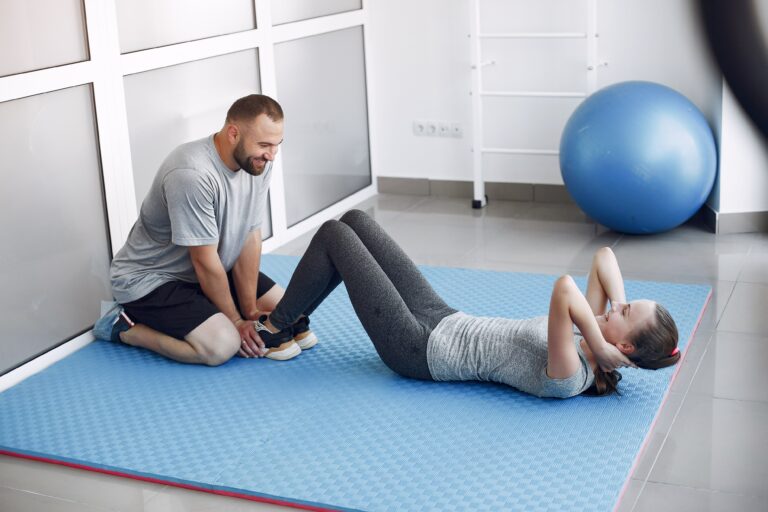
Exercise is one of the most effective treatments. This may include gentle movement exercises, nerve gliding exercises, strengthening work, and walking or aerobic activity. The aim is to gradually restore normal movement and reduce nerve sensitivity.
Hands-On Treatment Options
In some cases, hands-on treatment can help relieve symptoms. This may include spinal mobilisation, soft tissue therapy, dry needling and laser therapy, used alongside exercise.
When Should You Seek Treatment?
You should consider physiotherapy if:
- Pain is travelling into your leg
- Symptoms are not improving
- You have numbness or tingling
- Your movement is restricted
- Symptoms are affecting your daily life
Early treatment can help prevent symptoms becoming persistent.
Who This Treatment Is For
Physiotherapy can help if you:
- Feel like you have a “trapped nerve”
- Have back pain with leg symptoms
- Struggle with sitting or bending
- Have recurring nerve-related pain
Book a Trapped Nerve Assessment
Trapped nerve symptoms can be very uncomfortable, but most people improve well with the right treatment. We help you understand your symptoms and guide you step-by-step through your recovery. When booking, select “Initial Physiotherapy Appointment”.