Pelvic Health Conditions & Rehabilitation
Introduction
Many women experience pelvic health issues at different stages of life, whether during exercise, intimate moments, or daily activities. While these symptoms are common, they are not something you simply have to live with.
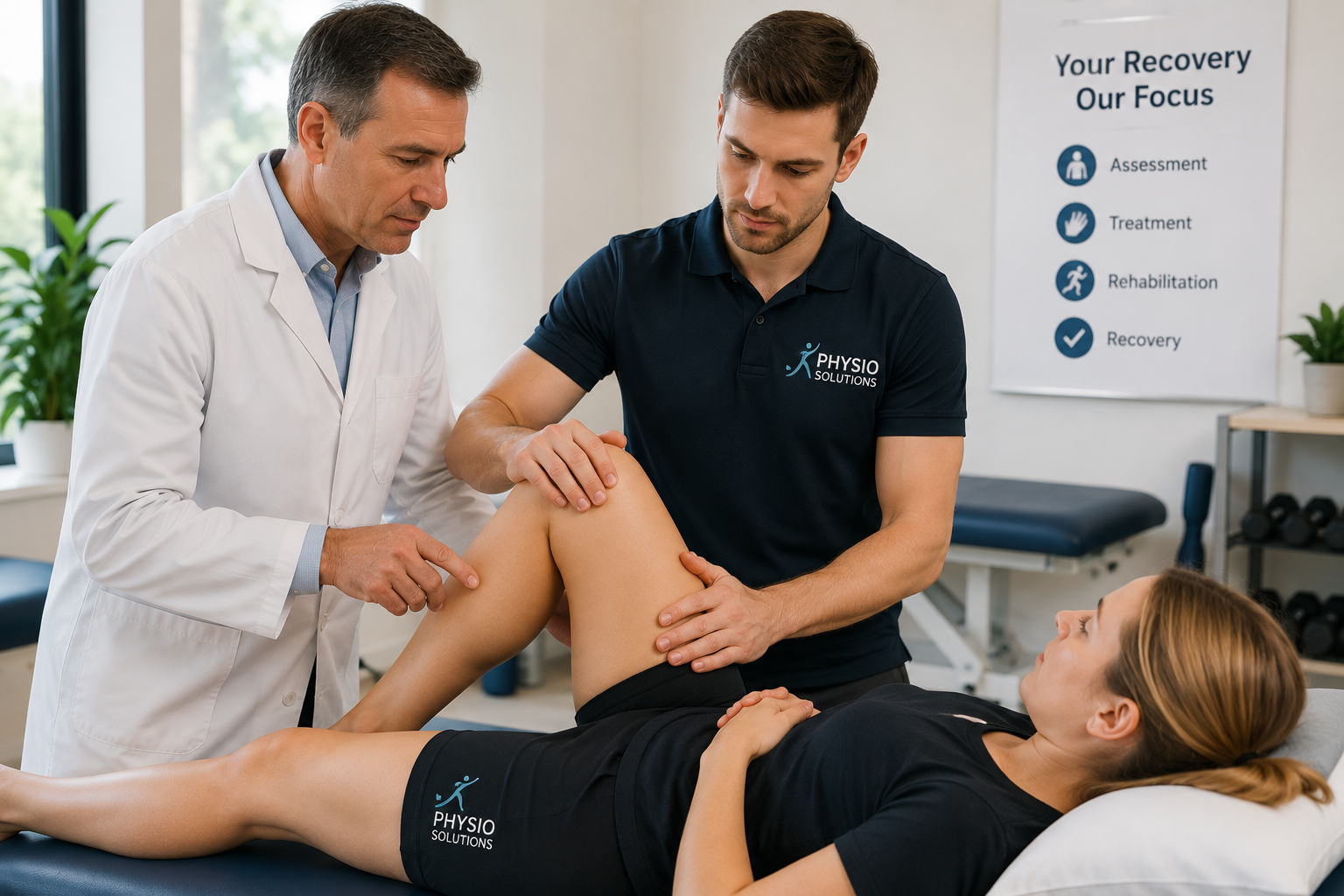
At Physio Solutions, our specialized women’s health physiotherapy can help identify the causes of these symptoms and guide you through an effective, supportive treatment plan.
If you are experiencing pelvic health issues, please see our dedicated guides below:
- Bladder Leakage When Running or Exercising
- Pain with Intercourse
- Heaviness or Pressure in the Pelvic Area
Bladder Leakage When Running or Exercising
Leaking Urine During Exercise
Many women notice urine leakage during activities such as running, jumping or exercise. Although this is common, it is not something you simply have to live with. Bladder leakage during exercise is often related to stress urinary incontinence, where the pelvic floor muscles are unable to support the bladder during increases in pressure. At Physio Solutions, women’s health physiotherapy can help identify the cause of leakage and guide effective treatment.
Why Does Leakage Happen During Exercise?
During activities such as running or jumping the pressure inside the abdomen increases. The pelvic floor muscles normally support the bladder and help prevent leakage. If these muscles are weakened, stretched or not working effectively, leakage can occur.
This may develop:
- During pregnancy
- After childbirth
- With high-impact exercise
- Due to pelvic floor weakness
Physiotherapy Treatment
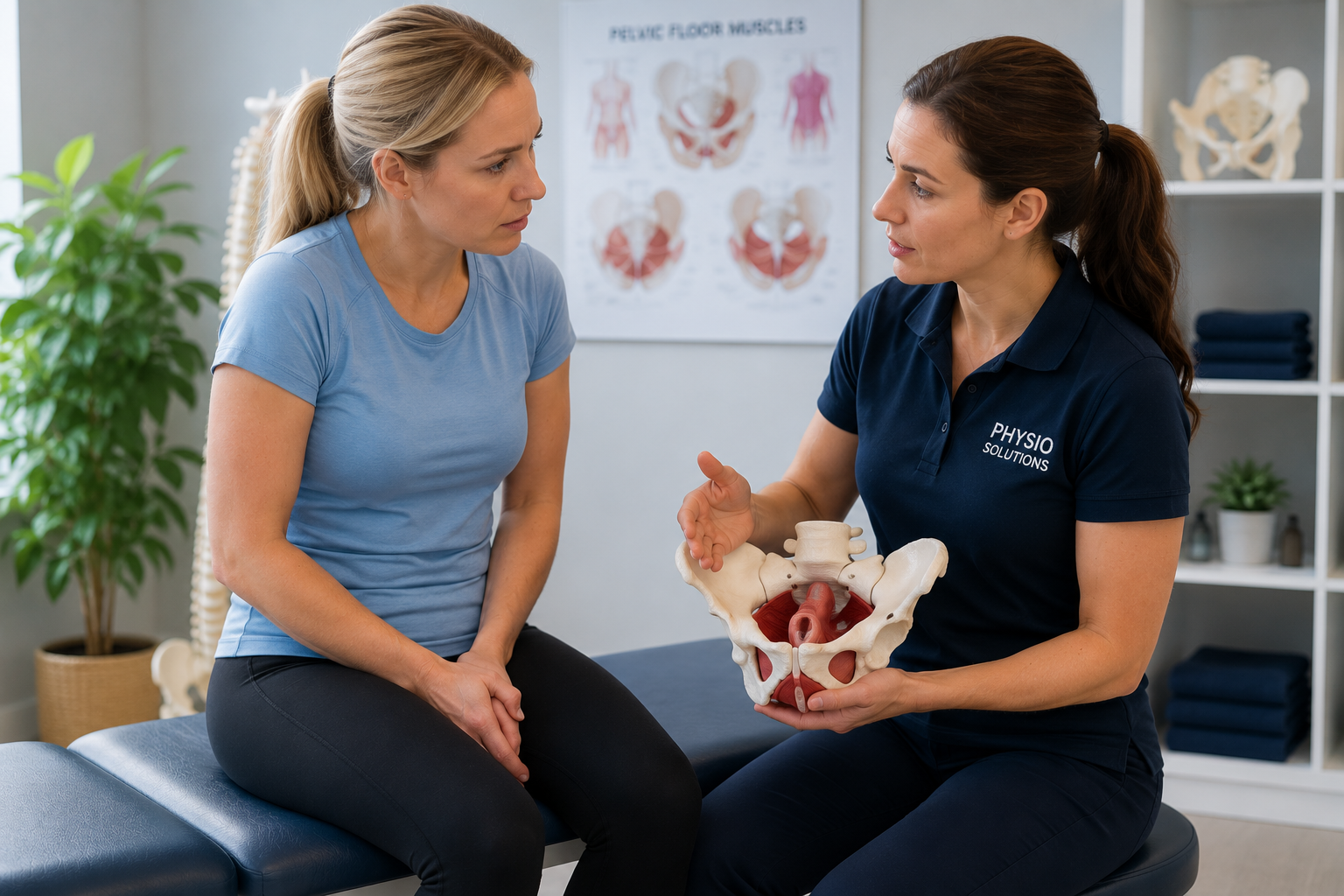
Pelvic health physiotherapy focuses on restoring strength and coordination of the pelvic floor muscles. Many women see significant improvement with the right pelvic floor training programme.
Treatment may include:
- Pelvic floor strengthening exercises
- Breathing and core coordination
- Return-to-exercise guidance
- Lifestyle advice
Pain with Intercourse
Pain During Sexual Intercourse
Pain during sexual intercourse, known as dyspareunia, can affect many women at different stages of life. This pain may be related to tension or dysfunction in the pelvic floor muscles.
Women may experience:
- Pain during penetration
- Burning or sharp pelvic pain
- Muscle tightness in the pelvic region
Pelvic health physiotherapy can help identify whether pelvic floor muscle tension or dysfunction may be contributing to these symptoms.
Physiotherapy Treatment
Treatment focuses on restoring normal pelvic floor muscle function and reducing muscle tension. Pelvic health physiotherapy can provide a supportive environment to address these concerns.
This may include:
- Pelvic floor relaxation techniques
- Breathing exercises
- Gentle pelvic floor rehabilitation
- Education and support
Heaviness or Pressure in the Pelvic Area
Feeling of Heaviness in the Pelvis
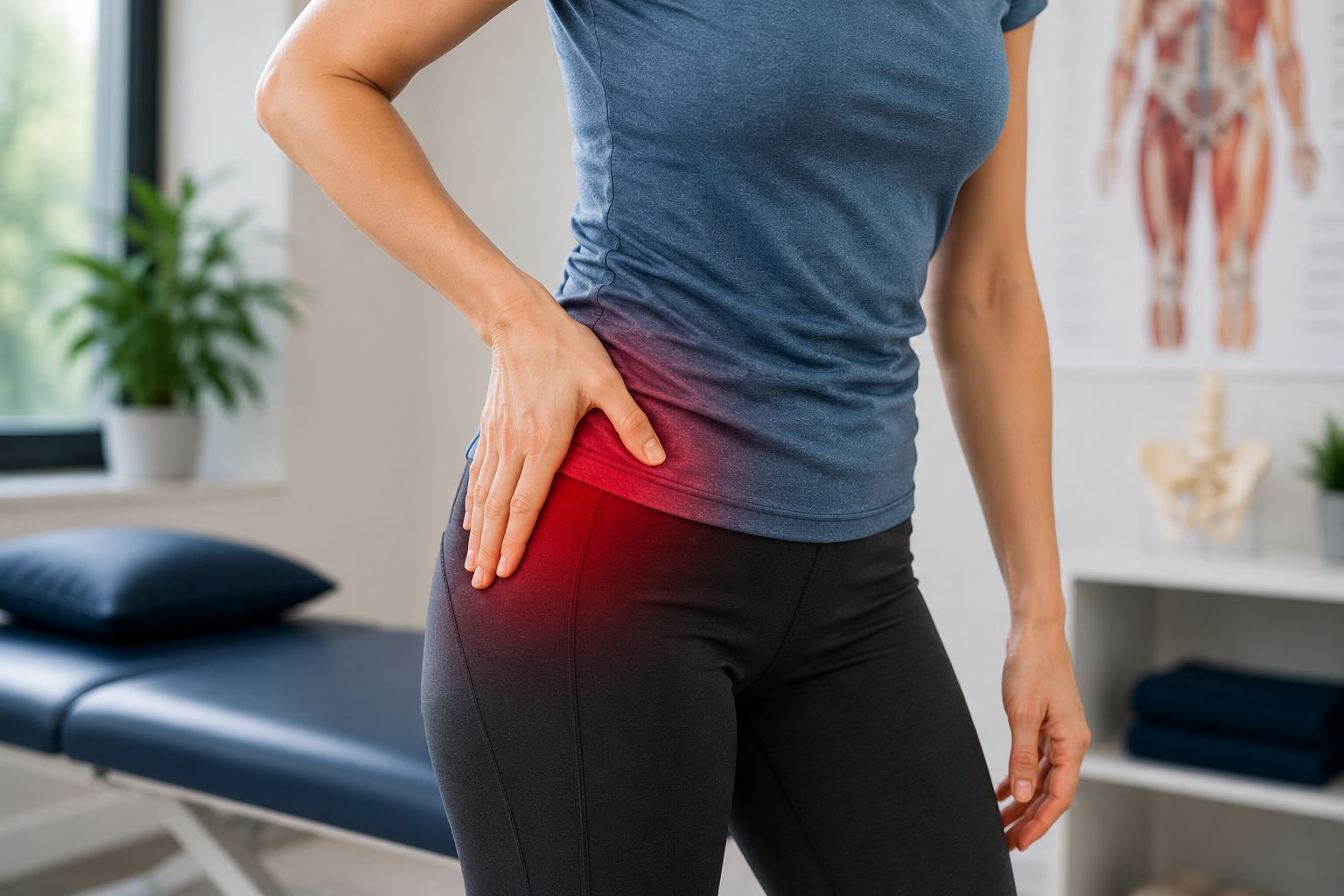
Some women experience a feeling of heaviness, pressure or dragging in the pelvic region. This sensation may worsen after standing for long periods, lifting or physical activity. This symptom can sometimes be associated with pelvic organ prolapse, where pelvic organs such as the bladder or uterus descend slightly due to reduced support from the pelvic floor muscles. Although these symptoms can be concerning, physiotherapy treatment can often help improve pelvic floor support.
Symptoms May Include
- Heaviness in the pelvic region
- A dragging sensation
- Discomfort during prolonged standing
- A feeling of pressure in the vagina
Physiotherapy Treatment
Early treatment can help improve symptoms and support pelvic floor function.
Treatment may involve:
- Pelvic floor strengthening exercises
- Posture and breathing training
- Advice on managing daily activities
- Rehabilitation exercises