
Running Injuries Conditions & Rehabilitation
Introduction
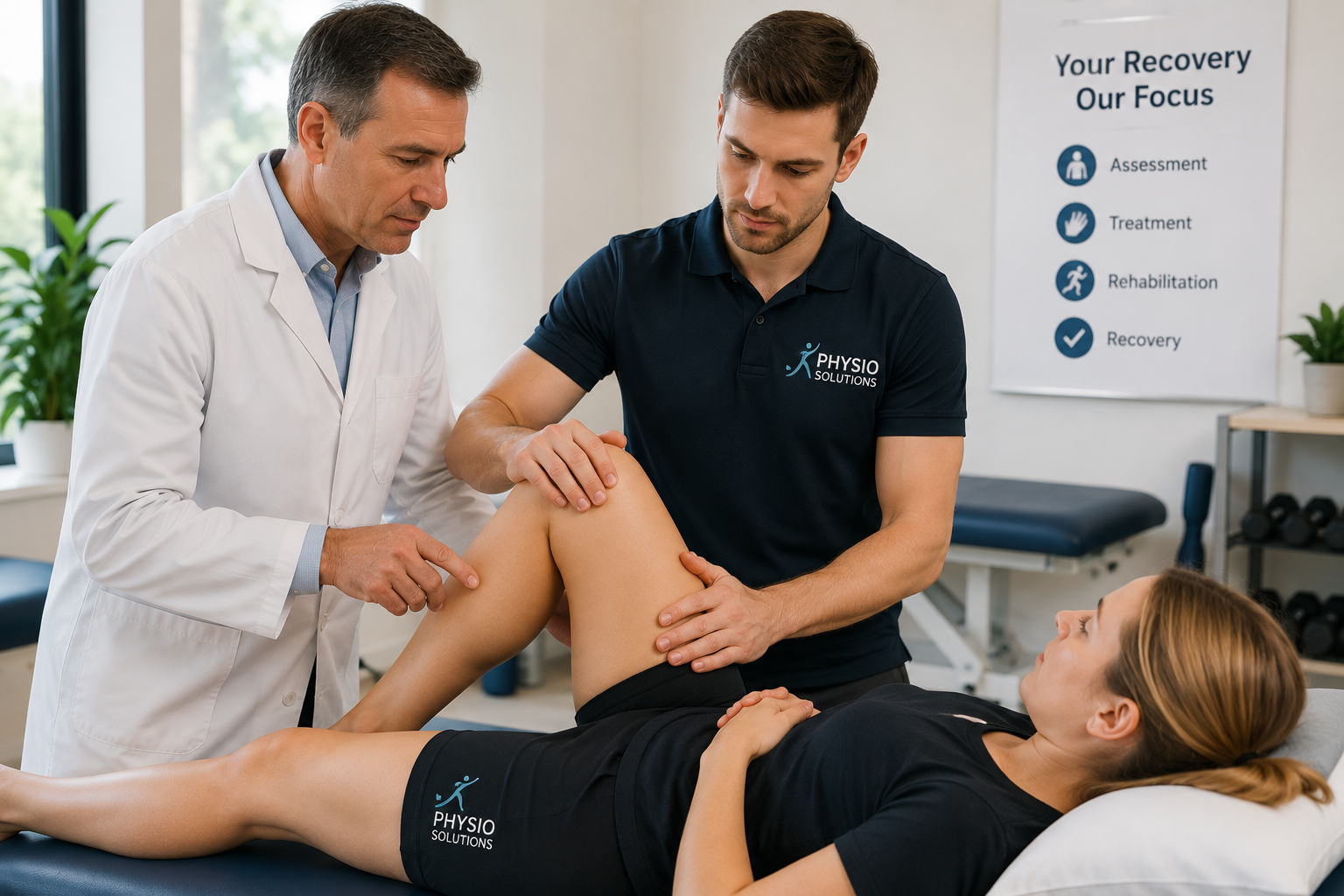
Running injuries can develop for several reasons, including overuse, training errors, or muscle weakness. The repetitive loading involved in running places significant stress on the joints, tendons, and surrounding tissues. At Physio Solutions in Gorey, our physiotherapists regularly assess and treat runners experiencing pain and guide them safely back to training.
If you are experiencing a running-related injury, please see our dedicated guides below:
- Runner’s Knee (Patellofemoral Pain Syndrome)
- Achilles Tendinopathy – Already covered in our foot and ankle section. Please link to that page for specific Achilles protocols.
- Shin Splints (Medial Tibial Stress Syndrome)
- IT Band Syndrome
- Plantar Fasciitis – Already covered in our foot and ankle section. Please link to that page for specific heel recovery protocols.
- Knee Pain When Running
- Pain on the Outside of the Knee When Running
- Shin Pain Running
- Heel Pain Running
- Achilles Pain Running
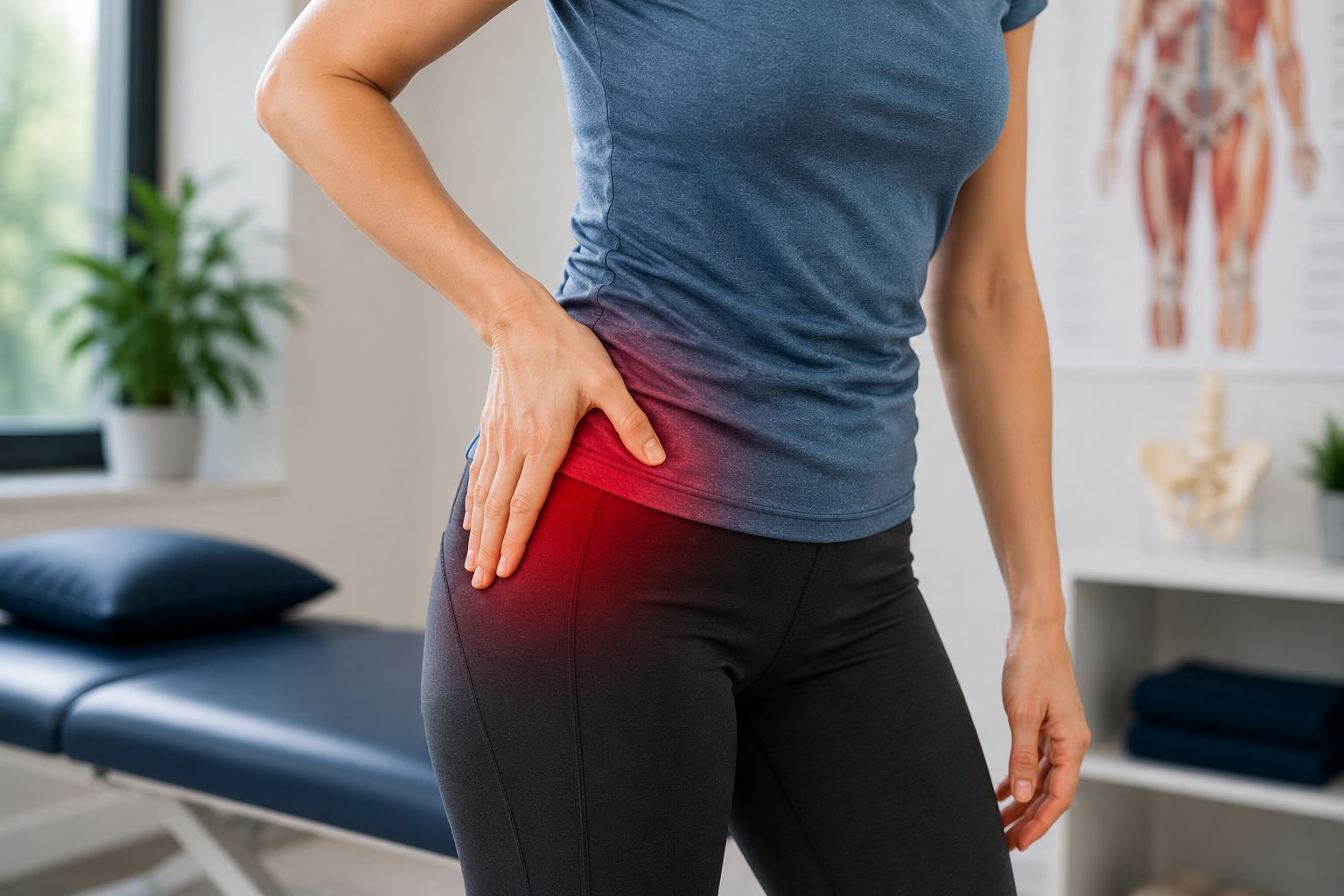
- Hip Pain Running
Runner’s Knee (Patellofemoral Pain Syndrome)
Runner’s Knee Treatment in Gorey
Runner’s knee, also known as patellofemoral pain syndrome, is one of the most common injuries affecting runners. It causes pain around or behind the kneecap and typically develops gradually due to repetitive stress on the knee joint during running. At Physio Solutions in Gorey, our physiotherapists regularly assess and treat runners with knee pain and guide them safely back to training.
Symptoms of Runner’s Knee
Common symptoms include:
- pain around the kneecap
- knee pain when running
- pain going down stairs
- discomfort after sitting for long periods
- pain during squatting or lunging
Why Runner’s Knee Develops
Runner’s knee is rarely caused by a single issue. It usually develops due to a combination of factors including:
- weakness in the hip muscles
- reduced strength in the quadriceps
- poor control of knee movement
- sudden increases in training volume
Physiotherapy assessment helps identify which factors may be contributing to the problem.
Physiotherapy Treatment
Treatment focuses on addressing the underlying cause of the injury. This may include:
- strengthening the hip and quadriceps muscles
- improving running mechanics
- mobility exercises
- gradual return-to-running programmes
Many runners progress their rehabilitation through our small group lower limb rehabilitation classes, where exercises can be progressed safely in our rehabilitation gym.
Shin Splints (Medial Tibial Stress Syndrome)
Shin Splints Treatment in Runners
Shin splints, also known as medial tibial stress syndrome, cause pain along the inner border of the shin bone. This condition is particularly common in runners who increase their training volume quickly.
Symptoms of Shin Splints
Common symptoms include:
- pain along the inside of the shin
- tenderness along the shin bone
- discomfort during or after running
- pain that worsens with activity
Why Shin Splints Develop
Shin splints may occur due to several factors including:
- sudden increases in training load
- running on hard surfaces
- reduced calf strength
- poor foot mechanics
Physiotherapy Treatment
Treatment focuses on reducing irritation and strengthening the structures around the lower leg. Physiotherapy treatment may include:
- calf strengthening exercises
- load management strategies
- mobility and flexibility work
- gradual return-to-running programmes
As symptoms improve, runners may progress strengthening through our lower limb rehabilitation classes.
IT Band Syndrome
Iliotibial Band Syndrome in Runners
Iliotibial band syndrome (IT band syndrome) is a common cause of pain on the outside of the knee in runners. The iliotibial band is a thick band of connective tissue that runs along the outside of the thigh from the hip to the knee. When this structure becomes irritated during repetitive running movements, pain can develop along the outside of the knee.
Symptoms of IT Band Syndrome
Common symptoms include:
- pain on the outside of the knee during running
- pain that worsens with longer runs
- discomfort running downhill
- tenderness along the outside of the knee
Why IT Band Syndrome Occurs
This injury often develops due to:
- weakness in the hip muscles
- poor running mechanics
- sudden increases in mileage
- excessive downhill running
Physiotherapy Treatment
Physiotherapy treatment focuses on improving hip strength and movement control. Treatment may include:
- strengthening the gluteal muscles
- improving running mechanics
- load management strategies
- gradual return-to-running programmes
Knee Pain When Running
Knee Pain Overview
Knee pain when running is one of the most common injuries affecting runners. The repetitive loading involved in running places significant stress on the knee joint and surrounding tissues. While mild discomfort may occasionally occur during training, persistent knee pain usually indicates irritation of structures within or around the knee. At Physio Solutions in Gorey, physiotherapists regularly assess and treat runners experiencing knee pain.
Common Causes of Knee Pain Running
Several conditions may cause knee pain during running:
- Runner’s Knee: Runner’s knee (patellofemoral pain syndrome) is one of the most common causes of knee pain in runners. It often causes pain around or behind the kneecap.
- IT Band Syndrome: Pain on the outside of the knee during running may be related to irritation of the iliotibial band.
- Meniscus Irritation: In some cases, cartilage irritation inside the knee may also cause pain during running.
Why Running Injuries Occur
Running injuries usually develop due to a combination of factors including:
- sudden increases in training volume
- weakness in hip or leg muscles
- poor running mechanics
- inadequate recovery
Identifying these factors is an important part of treatment.
Physiotherapy Treatment
Treatment for running-related knee pain focuses on addressing the underlying cause of the problem. This may include:
- strengthening exercises for the hip and knee
- improving movement patterns
- gradual return-to-running programmes
Many runners also benefit from progressing their rehabilitation through our small group lower limb rehabilitation classes, where exercises can be progressed safely in our rehabilitation gym.
Pain on the Outside of the Knee When Running
Outside Knee Pain Running
Pain on the outside of the knee during running is a common complaint among runners. This pain usually develops gradually and may worsen as the run continues. The most common cause of pain on the outside of the knee in runners is Iliotibial Band Syndrome (IT Band Syndrome).
What is the IT Band?
The iliotibial band is a thick band of connective tissue that runs along the outside of the thigh from the hip to the knee. It helps stabilise the knee during movement. During running the IT band repeatedly moves across the outside of the knee. If this structure becomes irritated, pain may develop.
Symptoms of IT Band Syndrome
Common symptoms include:
- pain on the outside of the knee during running
- pain that worsens with longer runs
- discomfort running downhill
- tenderness along the outside of the knee
Why This Injury Occurs
IT band syndrome usually develops due to a combination of factors including:
- weakness in the hip muscles
- sudden increases in running mileage
- running on sloped surfaces
- poor movement control
Physiotherapy Treatment
Physiotherapy treatment focuses on addressing the underlying cause of the problem. This may include:
- strengthening the hip and gluteal muscles
- improving running mechanics
- modifying training loads
- gradual return-to-running programmes
Many runners benefit from progressing their strengthening programme in our small group lower limb rehabilitation classes, where exercises can be progressed safely in our rehabilitation gym.
Shin Pain Running
Pain in the Shin While Running
Pain along the shin during or after running is a very common injury among runners. This condition is often referred to as shin splints, or medial tibial stress syndrome.
What Are Shin Splints?
Shin splints occur when the muscles and tendons attached to the shin bone become irritated due to repetitive stress. This condition is particularly common in runners who increase their training volume quickly or return to running after a break.
Symptoms of Shin Splints
Common symptoms include:
- pain along the inside of the shin
- discomfort during or after running
- tenderness along the shin bone
- symptoms that worsen with activity
Why Shin Splints Develop
Shin splints may occur due to several factors including:
- sudden increases in running mileage
- running on hard surfaces
- reduced strength in the calf muscles
- poor foot mechanics
Physiotherapy Treatment
Treatment focuses on reducing irritation and addressing the factors contributing to the injury. Treatment may include:
- strength exercises for the calf and lower leg
- load management and return-to-running programmes
- mobility and flexibility work
Once symptoms settle, runners often progress their strengthening through lower limb rehabilitation classes, which allow safe progression of strength in a supervised gym setting.
Heel Pain Running
Heel Pain in Runners
Heel pain during or after running is a common running injury. The most common cause of heel pain in runners is plantar fasciitis, a condition affecting the plantar fascia on the sole of the foot.
What is Plantar Fasciitis?
The plantar fascia is a thick band of tissue that supports the arch of the foot. Repeated stress during running can cause irritation where the fascia attaches to the heel bone.
Symptoms of Plantar Fasciitis
Typical symptoms include:
- pain in the heel, particularly in the morning
- pain at the start of a run
- discomfort after prolonged standing
- tenderness under the heel
Physiotherapy Treatment
Physiotherapy treatment focuses on reducing irritation and strengthening the structures supporting the foot. Treatment may include:
- strengthening exercises for the foot and calf
- activity modification
- manual therapy
- progressive loading exercises
Many runners also benefit from strengthening exercises in our rehabilitation classes, where lower limb strength can be progressed safely.
Achilles Pain Running
Achilles Tendon Pain During Running
Pain in the Achilles tendon is a common overuse injury among runners. The Achilles tendon connects the calf muscles to the heel bone and plays an important role in running and jumping.
What is Achilles Tendinopathy?
Achilles tendinopathy occurs when the tendon becomes irritated due to repeated loading. This condition often develops when runners increase their training volume or intensity too quickly.
Symptoms of Achilles Tendinopathy
Common symptoms include:
- pain at the back of the heel
- stiffness in the Achilles tendon
- discomfort at the start of a run
- tenderness along the tendon
Physiotherapy Treatment
Treatment focuses on progressive strengthening of the tendon. Rehabilitation may include:
- calf strengthening exercises
- gradual return-to-running programmes
- mobility exercises
Structured strength programmes such as our lower limb rehabilitation classes can be particularly helpful during the later stages of recovery.
Hip Pain Running
Hip Pain During Running
Hip pain during running can occur for several reasons including muscle overload, tendon irritation or joint stiffness. This type of pain often develops gradually and may worsen as running volume increases.
Common Causes of Hip Pain Running
Some common causes include:
- gluteal tendinopathy
- hip flexor irritation
- muscle weakness around the hip
- poor running mechanics
Because the hip plays a key role in controlling leg movement during running, weakness in the hip muscles can place additional strain on other areas such as the knee.
Physiotherapy Treatment
Physiotherapy focuses on identifying the underlying cause of the problem and restoring strength and control around the hip. Treatment may include:
- strengthening exercises for the gluteal muscles
- improving running mechanics
- mobility and flexibility work
- gradual return-to-running programmes
Many runners benefit from progressing their rehabilitation in our small group lower limb rehabilitation classes, where exercises can be progressed safely in our rehabilitation gym.