Disc Injury Treatment in Gorey
Disc injuries are one of the most common causes of lower back pain and sciatica that we treat at Physio Solutions in Gorey. They can be very painful and often cause concern, especially when symptoms include leg pain, numbness or weakness.
You can also visit our Back Pain Treatment page for a broader overview of lower back pain. If your main symptom is pain travelling into your leg, you may also want to read more about Sciatica.
What Is a Disc Injury?
Between each of the bones in your spine (vertebrae) are discs that act as shock absorbers. A disc injury may involve a disc bulge, a disc protrusion or a disc herniation. Despite the name, a “slipped disc” does not actually slip out of place.
Pain from a disc injury can come from:
- Irritation or small tears within the disc
- Inflammation of surrounding structures such as ligaments
- Sensitivity of nearby nerves
Symptoms of a Disc Injury
Symptoms can vary depending on the severity and whether a nerve is involved. Common symptoms include:
- Lower back pain
- Pain travelling into the leg
- Tingling or pins and needles
- Numbness
- Muscle weakness
Symptoms are often worse with sitting, bending or lifting.
What Causes a Disc Injury?
Disc injuries usually develop due to a combination of factors rather than one single cause. These may include:
- Bending and lifting
- Repetitive strain
- Prolonged sitting
- Sudden increases in activity
- Reduced strength or conditioning
Other factors can influence disc health, including normal age-related changes, genetic factors and general health and lifestyle. In many cases, disc problems develop gradually over time rather than from one specific incident.
Do You Need a Scan (MRI)?
Many people assume they need an MRI to diagnose a disc injury. In most cases, a scan is not necessary. Disc bulges and changes are very common and are often seen in people with no pain. A detailed physiotherapy assessment is usually the most useful way to understand what is causing your symptoms and how best to treat them.
Scans are only recommended in specific situations, such as when more significant nerve involvement is suspected.
We See This Every Day
Disc injuries are very common and something we assess and treat regularly. Although symptoms can feel severe and worrying, most people recover well without the need for surgery.
Physiotherapy Treatment for Disc Injuries
Treatment focuses on reducing pain, restoring movement and helping the disc settle.
- Early stage – reduce pain and irritation and restore gentle movement.
- Recovery phase – improve spinal movement, reduce nerve sensitivity and restore confidence in movement.
- Strength & rehabilitation phase – strengthen the back and surrounding muscles, improve movement patterns and reduce the risk of recurrence.
Exercise for Disc Injury Recovery
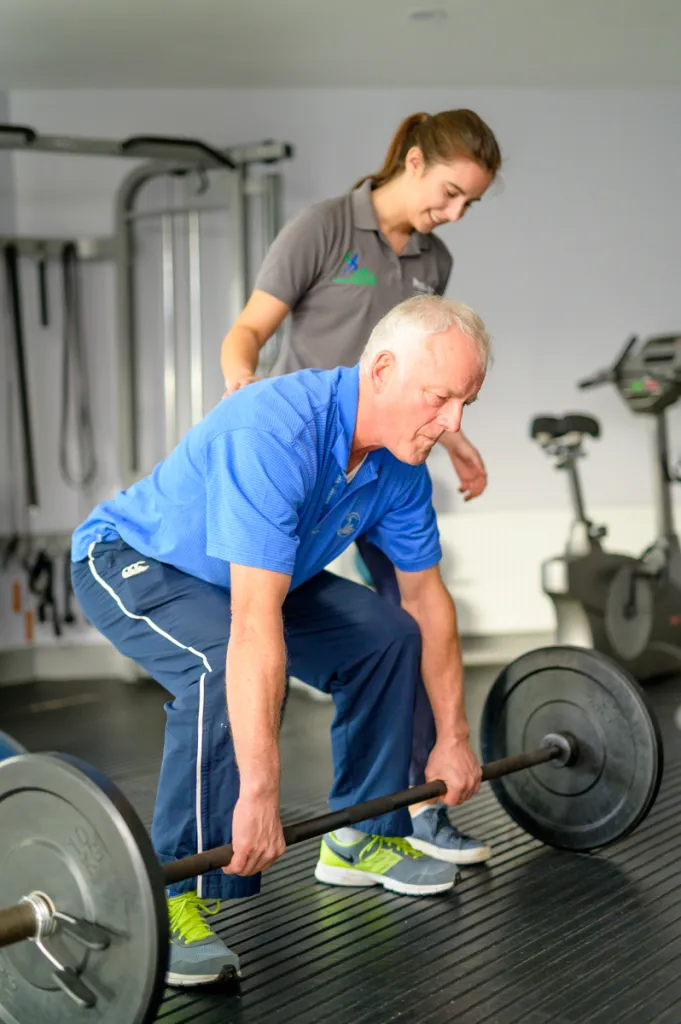
Exercise plays a key role in recovery. This may include mobility exercises, specific directional movements, strengthening work and a gradual return to activity. The aim is to restore normal movement and build resilience in the back.
Hands-On Treatment Options
Treatment may include spinal mobilisation, soft tissue therapy, dry needling and photobiomodulation (laser therapy). These treatments are used alongside exercise as part of a full rehabilitation plan.
Why Disc Injuries Can Feel So Severe
Disc injuries can be extremely painful, but pain is not always a reliable indicator of how severe the injury is. The spine and nervous system are very sensitive, and when irritated, pain levels can increase significantly – even when the actual tissue damage is not severe.
Pain can also be influenced by inflammation, nerve sensitivity and muscle tension. This means that even severe pain can settle well with the right treatment and guidance.
When Should You Seek Treatment?
You should consider physiotherapy if:
- Pain is not improving
- Symptoms are travelling into your leg
- You have numbness or tingling
- Your movement is restricted
Early treatment can help speed up recovery and prevent symptoms becoming persistent.
Disc Injury FAQs
Can a slipped disc heal on its own?
Yes – most disc injuries improve over time without surgery. With the right guidance and rehabilitation, symptoms often settle well.
How long does a disc injury take to recover?
Recovery time varies, but many people improve significantly within a few weeks. More persistent symptoms can take longer, particularly if symptoms have been present for some time.
Should I rest with a disc injury?
Short periods of rest may help during very painful episodes, but prolonged rest is not recommended. Gentle movement and gradually returning to activity are important parts of recovery.
Is a disc bulge serious?
Disc bulges are very common and are often seen in people without pain. While they can cause symptoms, they are not always a sign of serious damage.
Will I need surgery for a disc injury?
Most disc injuries do not require surgery. Surgery is only considered in specific cases where symptoms do not improve with appropriate treatment.
Book a Disc Injury Assessment
If you are struggling with back pain or sciatica, physiotherapy can help you understand what is causing your symptoms and what you need to do to recover. Most disc injuries improve well without surgery. When booking, select “Initial Physiotherapy Appointment”.