Hamstring Injury Treatment in Gorey
A hamstring strain, often referred to as a pulled hamstring, is one of the most common injuries in sport. It typically occurs during sprinting, sudden acceleration, kicking or rapid changes of direction.
Hamstring injuries are particularly common in GAA, soccer and rugby, but can also affect runners and active individuals. We help athletes return to sport safely and reduce the risk of reinjury. See also our Sports Injuries page.
What Is a Hamstring Strain?
The hamstrings are a group of muscles at the back of the thigh. They play an important role in bending the knee, extending the hip and controlling movement during running and sprinting. A hamstring strain occurs when these muscles are overstretched or overloaded, leading to small tears within the muscle. Injuries vary from mild strains to more significant tears.
Symptoms of a Hamstring Injury
- Sudden pain in the back of the thigh
- Pain during sprinting or acceleration
- Tightness or stiffness in the muscle
- Difficulty running or kicking
- Bruising in more severe cases
Some athletes feel a sharp pain at the time of injury, while others notice symptoms developing gradually.
Severity of Hamstring Injuries
Hamstring injuries have traditionally been classified as:
- Grade 1 (mild strain) – small muscle damage with minimal strength loss.
- Grade 2 (moderate strain) – partial tear of the muscle with reduced strength and function.
- Grade 3 (severe tear) – complete muscle tear.
More recently, MRI-based classifications may use more detailed terms such as Grade 2a or 2b. While these can be useful, the most important factor is how the injury behaves during rehabilitation – so we focus on restoring strength, improving movement and progressing rehabilitation safely rather than relying solely on the grade.
Why Hamstring Injuries Occur
Common factors include high-speed running and sprinting, muscle fatigue, previous hamstring injury, weakness or imbalance between muscle groups, and sudden increases in training intensity. Because the hamstrings work at high speed during sport, they are particularly vulnerable to injury.
Physiotherapy Treatment for Hamstring Strain
Treatment focuses on allowing the muscle to heal while restoring strength and function.
- Early stage – managing pain and inflammation, gentle movement exercises and maintaining mobility.
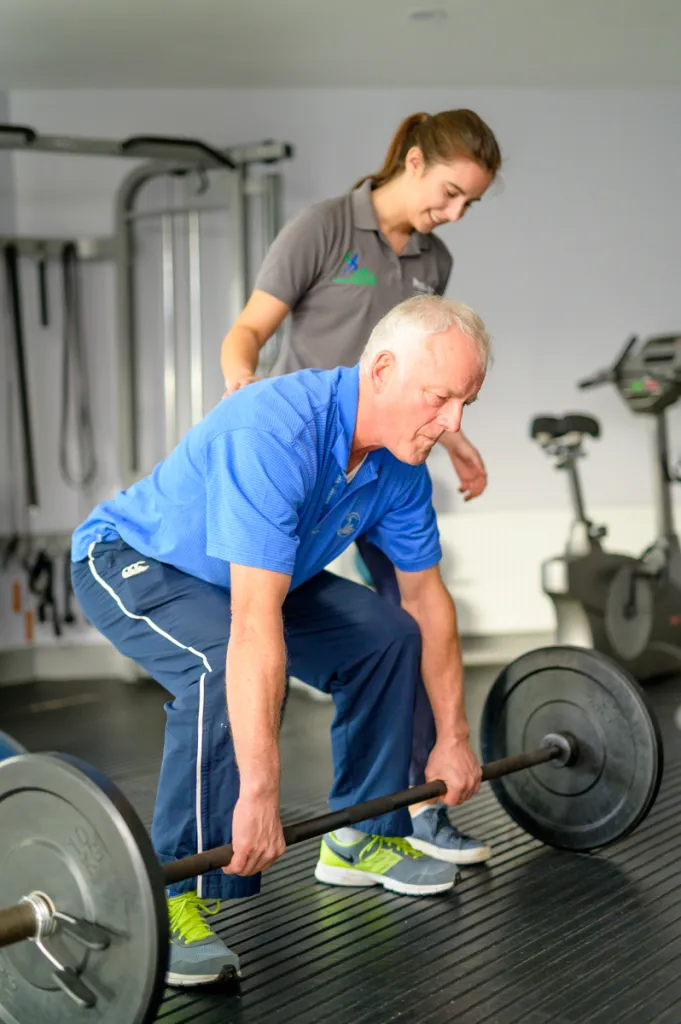
- Strength phase – progressive strengthening, improving muscle control and addressing imbalances.
- Return to sport phase – sprinting drills, acceleration and deceleration work and sport-specific exercises.
Objective Strength Testing
We use objective strength testing to measure strength in both legs, identify imbalances, track progress and guide return-to-sport decisions, with results shown in graph format.
Reducing the Risk of Reinjury
Hamstring injuries have a high recurrence rate if not rehabilitated properly. Returning to sport too early without adequate strength increases the risk of reinjury.
Physiotherapy reduces this risk by restoring full strength, improving movement patterns, addressing imbalances and preparing the body for the demands of sport.
Rehabilitation Classes for Hamstring Injuries
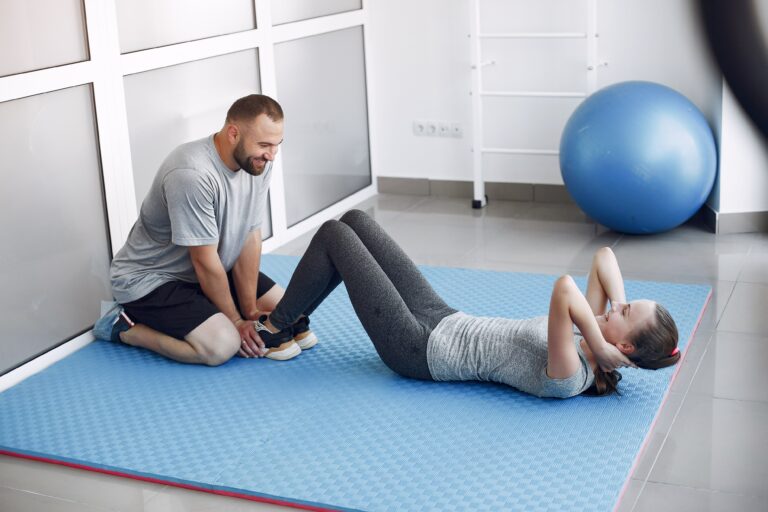
Our small group rehabilitation classes, limited to four participants, help athletes rebuild strength, improve performance and regain confidence in sprinting and movement. Classes cost €140 for four one-hour sessions.
Book a Hamstring Assessment
If you have pain in the back of your thigh during sport or repeated hamstring problems, we can guide your recovery and reduce the risk of reinjury. When booking, select “Initial Physiotherapy Appointment”.