Tibialis Posterior Tendon Dysfunction (Inner Ankle Pain)
Tibialis posterior tendon dysfunction (PTTD) is a condition that affects the tendon on the inside of your ankle, which plays a key role in supporting your foot arch. It typically develops gradually over time and is one of the main causes of progressive flattening of the foot (adult acquired flatfoot).
Early on, it may present as mild discomfort, but if not addressed, it can lead to more significant changes in foot posture and function. See our Foot & Ankle Pain page for a broader overview.
What Are the Symptoms?
Symptoms often develop slowly and may include:
- Pain along the inside of the ankle or foot
- Swelling or tenderness behind the ankle bone
- Pain with walking, especially longer distances
- Weakness when pushing off the foot
- A feeling that the arch is “dropping”
- The foot gradually becoming flatter over time
In later stages, pain may shift to the outside of the ankle as the foot position changes.
What Happens If It Is Left Untreated?
PTTD is a progressive condition, meaning it can worsen over time if not properly managed. In the early stages, the tendon becomes irritated and overloaded. As the condition progresses, the tendon can weaken and lose its ability to support the arch, the foot may gradually flatten, movement patterns change and place stress on other joints, and pain can become more persistent and limiting.
In more advanced cases, the condition can lead to long-term changes in foot shape and walking mechanics, which are more difficult to reverse. Early intervention leads to the best outcomes.
How Can Physiotherapy Help?
Physiotherapy plays a key role in both reducing pain and preventing progression of the condition. Treatment is focused on restoring strength, control and function in the foot and ankle. We use a combination of:
- Shockwave therapy – can help stimulate healing in more persistent tendon pain.
- Photobiomodulation (laser) therapy – effective for reducing pain and irritation in the early stages.
- Manual therapy – hands-on treatment to improve ankle mobility and reduce stiffness.
- Biomechanical assessment – identifying contributing factors such as foot mechanics, strength deficits and movement patterns.
- Taping or temporary support – techniques to offload the tendon and support the arch in the short term. Temporary orthotics can also give great relief, and we have these in stock.
Strategies to Improve Foot Posture and Strength
A key part of recovery – and long-term success – is building a strong, well-functioning foot. This reduces strain on the tibialis posterior tendon and helps prevent recurrence. We focus on:
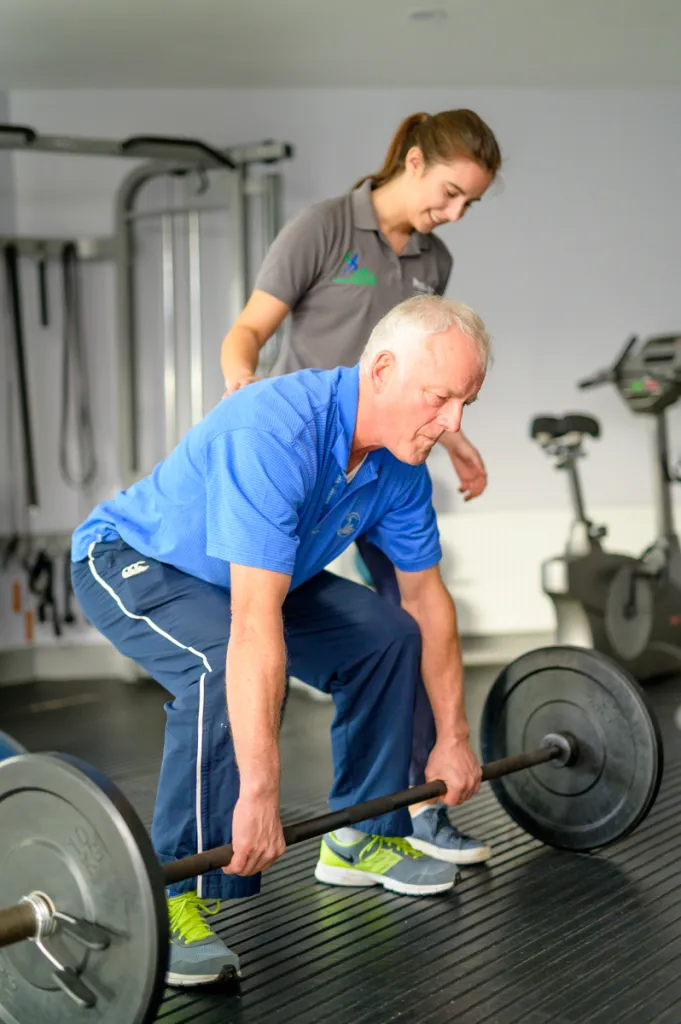
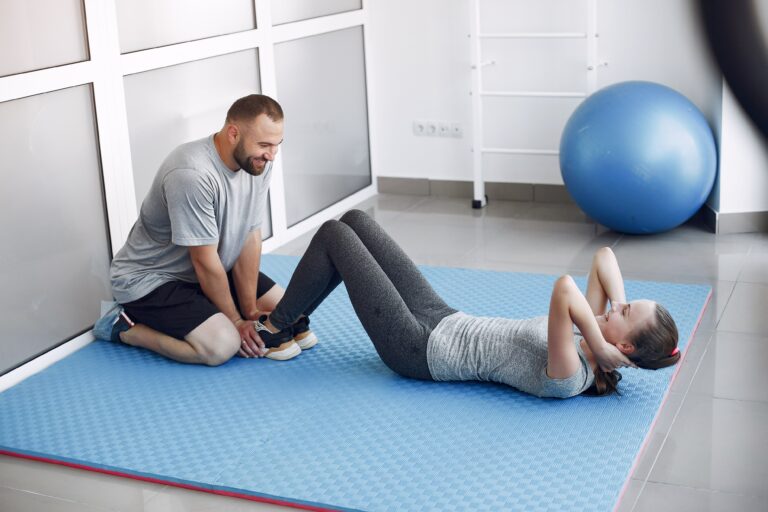
- Strengthening the muscles that support the arch
- Improving calf strength and control
- Enhancing balance and foot stability
- Gradually increasing load tolerance
- Addressing walking and movement patterns
Long-Term Outlook
With the right treatment and a structured strengthening programme, most people see good improvement in symptoms. However, as this condition develops over time, recovery also takes time.
Book a Foot & Ankle Assessment
Ready to take control of your foot and ankle pain? Book an appointment today and start your recovery. When booking, select “Initial Physiotherapy Appointment”.