Achilles Tendinopathy Treatment in Gorey
Achilles tendinopathy is a common cause of pain at the back of the heel or lower calf. It can develop gradually over time and is often linked to changes in activity levels or repeated strain on the tendon.
Many people notice pain and stiffness during exercise or in the morning, and it can become increasingly limiting if not addressed early. If left untreated, symptoms can persist for many months and may begin to interfere with everyday activities. See our Foot & Ankle Pain page for a broader overview.
What Is Achilles Tendinopathy?
The Achilles tendon connects your calf muscles to your heel and plays a key role in walking, running and jumping. Achilles tendinopathy is not simply inflammation – it is a degenerative overload of the tendon, where the tissue becomes irritated and less able to tolerate load. This often leads to:
- Pain during or after activity
- Morning stiffness
- Tenderness when pressing on the tendon
- Reduced strength or performance
What Causes Achilles Tendinopathy?
Achilles pain usually develops due to a combination of factors rather than a single injury:
- Sudden increase in running, walking or training load
- Returning to activity too quickly after a break
- Reduced calf strength or endurance
- Tight calf muscles
- Poor load management or recovery
- Changes in footwear
- Hill running or increased incline walking
- Biomechanical factors affecting how force is absorbed
Why Does It Take Time to Get Better?
The Achilles tendon has a relatively poor blood supply, which means healing can be slower than other tissues. It is also loaded with everyday activities like walking and stairs, so it doesn’t get much opportunity to fully rest. If left untreated, the tendon can remain in a cycle of irritation and incomplete healing for many months.
The good news is that with the right treatment and guidance, symptoms usually begin to settle much quicker. However, it still takes time to properly restore strength and capacity in the tendon, so a full recovery can take a few months.
What Makes It Worse?
- Continuing to train through increasing pain
- Sudden spikes in activity or intensity
- Hill running or sprinting
- Stiff or unsupportive footwear
- Lack of recovery between sessions
- Ignoring early warning signs
What Can Help?
The key to recovery is gradually improving the tendon’s ability to tolerate load while managing pain. Helpful strategies include adjusting activity levels (not complete rest), structured and progressive strengthening exercises, improving calf strength and endurance, managing training loads more effectively, addressing movement patterns and a gradual return to sport or higher-level activity.
How We Treat Achilles Tendinopathy at Physio Solutions
We focus on both reducing pain and rebuilding tendon strength to prevent recurrence:
- Shockwave therapy – very effective for stubborn Achilles pain, helping stimulate the healing response and reduce pain.
- Photobiomodulation (laser) therapy – useful for pain relief and calming irritation in the early stages.
- Manual therapy – hands-on treatment to improve calf flexibility and ankle mobility.
- Biomechanical assessment – identifying contributing factors such as movement patterns, strength deficits or training errors.
- Activity modification – keeping you active while reducing excessive strain on the tendon.
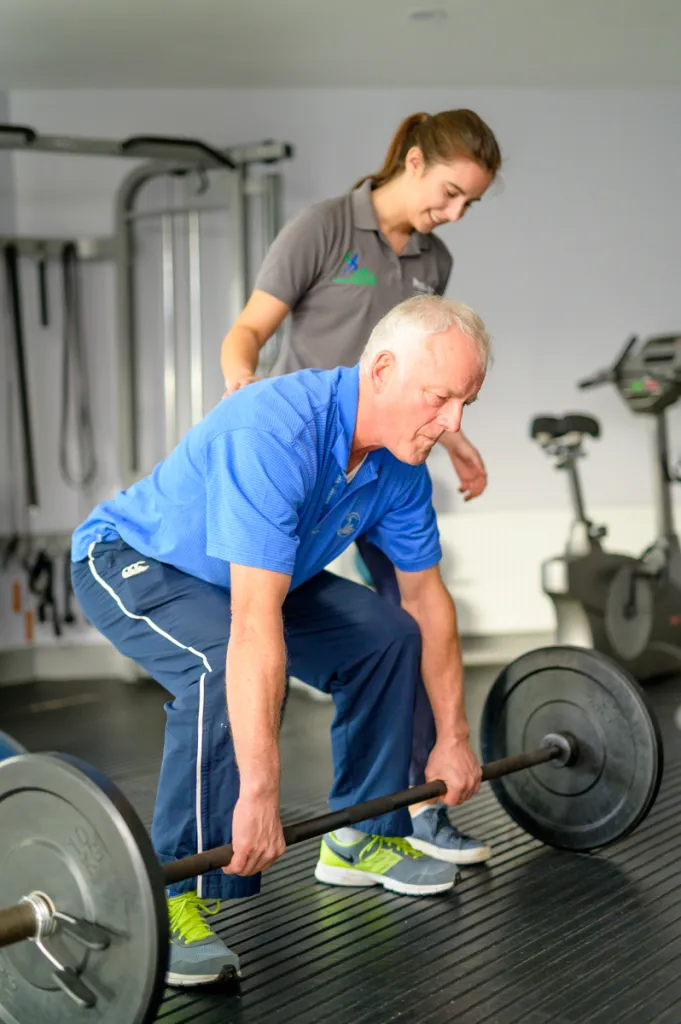
- Progressive strengthening exercises – the most important part of recovery, rebuilding tendon strength and capacity so you can return to activity safely.
Most patients begin to notice improvement within a few weeks, although full recovery can take several months depending on the severity and how long symptoms have been present.
Book an Achilles Assessment
Ready to get back to pain-free movement? Book an appointment today and start your recovery with a clear, structured plan. When booking, select “Initial Physiotherapy Appointment”.