Plantar Fasciitis Treatment in Gorey
Plantar fasciitis is one of the most common causes of heel pain and can be extremely frustrating to deal with. It typically presents as pain on the bottom of the heel, especially with the first few steps in the morning or after periods of rest.
While it is often labelled as “inflammation,” plantar fasciitis is more accurately a degenerative overload of the plantar fascia – a thick band of tissue that supports your foot arch. If left untreated, symptoms can persist for many months and sometimes over a year. See our Foot & Ankle Pain page for a broader overview.
What Is Plantar Fasciitis?
The plantar fascia acts like a spring and shock absorber for your foot. When it is repeatedly overloaded, small micro-tears can develop within the tissue. Over time, this leads to pain, stiffness and reduced function. Rather than a simple injury, plantar fasciitis is usually the result of gradual overload without adequate recovery or strength.
What Causes Plantar Fasciitis?
Plantar fasciitis rarely has a single cause. More often, it develops due to a combination of factors:
- Sudden increase in walking, running or standing
- Poor foot strength or reduced calf strength
- Tight calf muscles or Achilles tendon
- Changes in footwear or inadequate support
- Prolonged standing (common in work environments)
- Reduced ankle mobility
- Biomechanical factors such as flat feet or high arches
Why Does It Take So Long to Get Better?
The plantar fascia has a relatively poor blood supply, which means healing is naturally slower. On top of that, it is loaded every time you stand or walk, making it difficult to fully “rest.”
If left untreated, it is not uncommon for symptoms to last for over a year. Thankfully, with the right treatment and advice, symptoms usually settle much quicker – but it can still take a few months to fully recover.
What Makes It Worse?
- Long periods on your feet
- Walking barefoot on hard floors
- Sudden increases in exercise or running
- Unsupportive or worn-out footwear
- Ignoring early symptoms and pushing through pain
What Can Help?
Recovery focuses on reducing pain while gradually restoring the strength and capacity of the plantar fascia. Helpful strategies include managing load and modifying activity levels, supportive footwear or temporary orthotic support, targeted calf and foot strengthening exercises, improving ankle mobility and a gradual return to normal activity.
How We Treat Plantar Fasciitis at Physio Solutions
We use a combination of treatments to speed up recovery and address the root cause of your pain:
- Shockwave therapy – highly effective for plantar fasciitis. It helps kickstart the healing response, improve tissue quality and reduce pain.
- Photobiomodulation (laser) therapy – excellent for pain relief and reducing irritation in the early stages.
- Manual therapy – hands-on treatment to improve foot, ankle and calf mobility.
- Biomechanical assessment – identifying contributing factors such as movement patterns, strength deficits or loading issues.
- Activity modification – helping you stay active while avoiding unnecessary flare-ups.
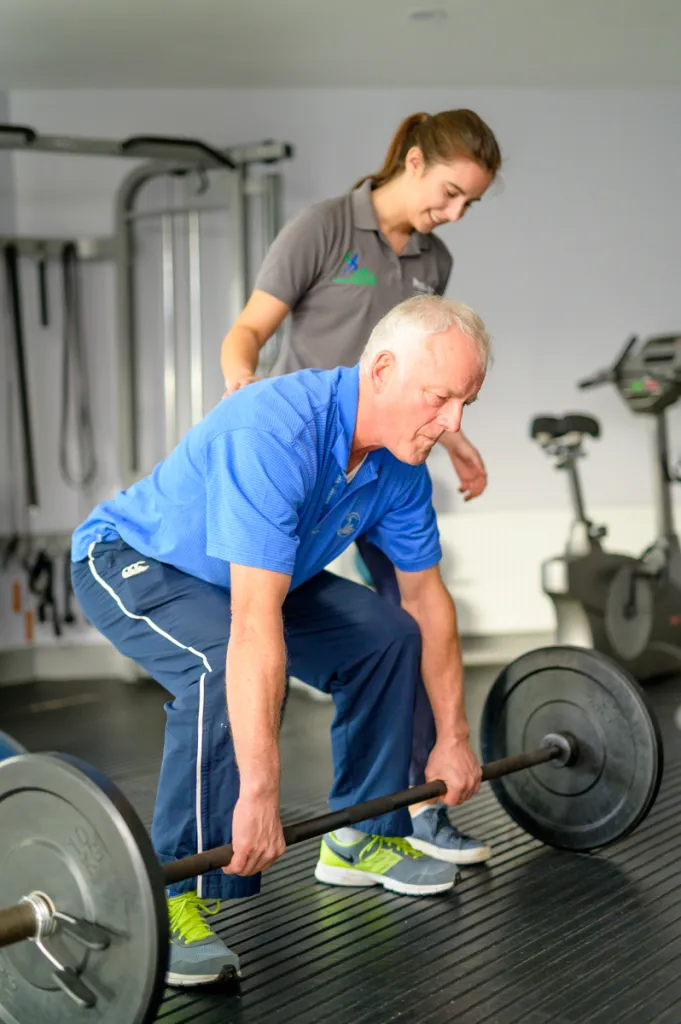
- Progressive strengthening exercises – a key part of recovery, stimulating tissue healing and building long-term resilience.
Most patients begin to notice improvement within a few weeks, although full recovery can take several months depending on the severity.
Book a Heel Pain Assessment
Ready to get on top of your heel pain? Book an appointment today and start your recovery. When booking, select “Initial Physiotherapy Appointment”.