
Headaches & Rehabilitation
Introduction
Headaches are incredibly common and can significantly impact your focus, daily routine, and overall quality of life. While headaches have many different causes, a large number of them are directly linked to mechanical tension, joint stiffness, or muscle imbalances in the neck and upper back. Because the nerves, joints, and muscles of the cervical spine share closely linked pathways with the head, irritation in your neck can easily refer pain upward.
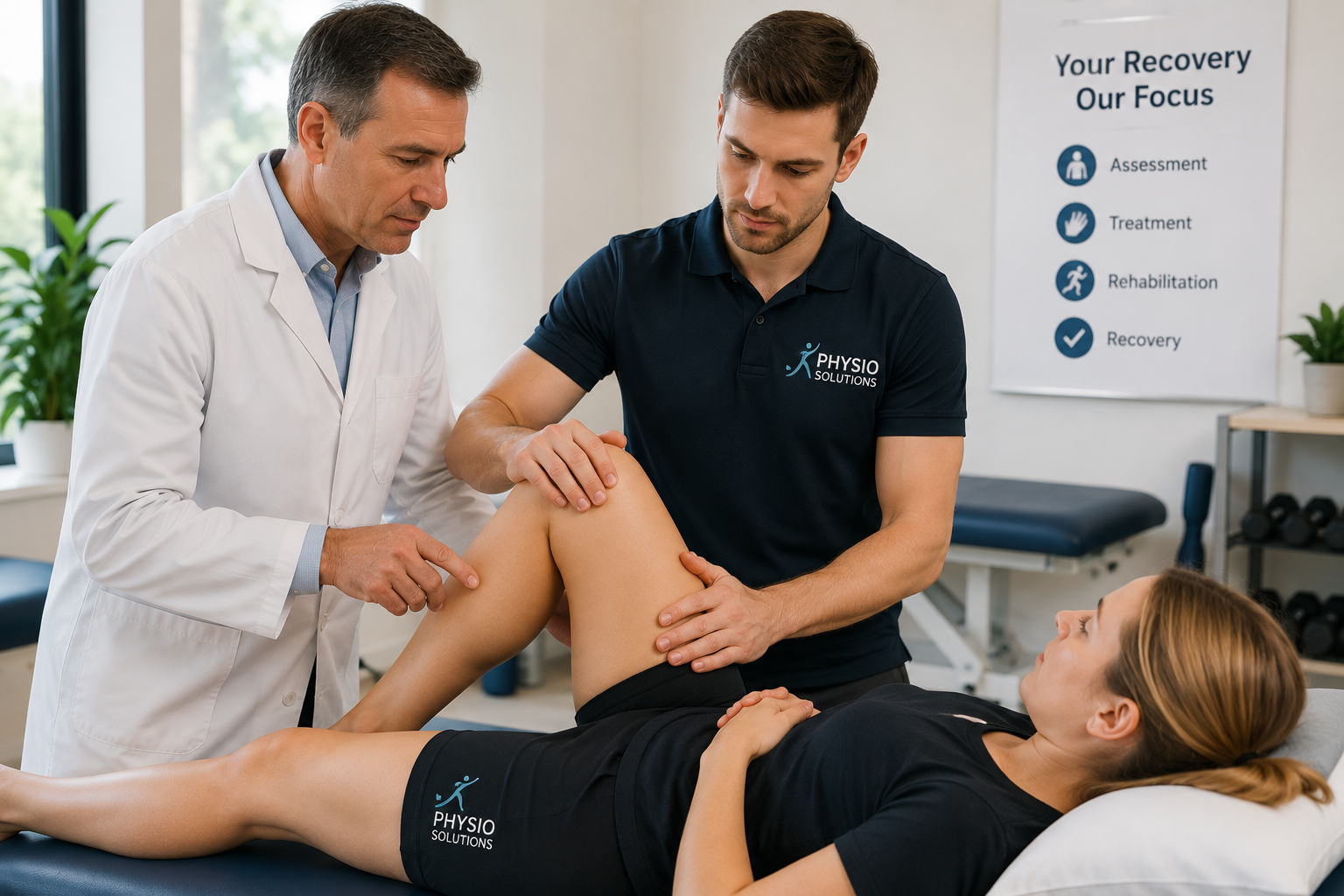
At Physio Solutions in Gorey, our physiotherapy treatment focuses on identifying whether musculoskeletal factors are causing or triggering your headaches, allowing us to relieve tension and restore comfortable movement.
If you are experiencing headache issues, please see our dedicated guides below:
- Cervicogenic Headache
- Tension Headaches
- Migraine
- Headache from Poor Posture
- Headache and Neck Pain
Cervicogenic Headache
Cervicogenic Headache Treatment in Gorey
Cervicogenic headaches are headaches that originate from problems in the neck. Irritation of joints, muscles or nerves in the cervical spine can refer pain into the head, producing a headache. These headaches often start at the base of the skull and may spread towards the side of the head, forehead or behind the eye. At Physio Solutions in Gorey, our physiotherapists regularly assess and treat cervicogenic headaches by identifying problems in the neck that may be contributing to the pain.
Symptoms of Cervicogenic Headaches
Many people also experience headaches after prolonged sitting or computer work. Symptoms may include:
- headache starting at the base of the skull
- pain spreading to the forehead or temples
- neck stiffness
- headache triggered by neck movement
- reduced neck mobility
What Causes Cervicogenic Headaches?
Cervicogenic headaches are often related to:
- stiffness in the joints of the neck
- muscle tension in the neck and shoulders
- poor posture
- previous neck injury
These problems can cause irritation in the structures of the neck that refer pain into the head.
Physiotherapy Treatment
Improving neck function often leads to significant reduction in headache symptoms. Treatment focuses on restoring normal movement and function in the neck. Physiotherapy treatment may include:
- manual therapy to improve joint movement
- exercises to strengthen neck muscles
- posture correction
- mobility exercises
Tension Headaches
Tension Headache Treatment in Gorey
Tension headaches are one of the most common types of headaches. They are often described as a tight band of pressure around the head. These headaches are frequently associated with tension in the muscles of the neck and shoulders and may be influenced by stress, posture or prolonged sitting. At Physio Solutions we regularly treat patients experiencing tension headaches.
Symptoms of Tension Headaches
Unlike migraines, tension headaches usually do not cause nausea or visual disturbances. Common symptoms include:
- pressure or tightness around the head
- pain in the temples or forehead
- tenderness in the neck and shoulder muscles
- mild to moderate headache pain
Causes of Tension Headaches
Tension headaches are often associated with:
- muscle tension in the neck and shoulders
- prolonged sitting or desk work
- stress or fatigue
- poor posture
Addressing these contributing factors can significantly reduce headache frequency.
Physiotherapy Treatment
Treatment focuses on reducing muscle tension and restoring normal movement in the neck and shoulders. Physiotherapy treatment may include:
- manual therapy to reduce muscle tension
- dry needling for trigger points
- posture correction exercises
- strengthening exercises for neck and upper back muscles
Migraine
Migraine Management and Physiotherapy
Migraine is a neurological condition that can cause severe headaches along with other symptoms such as nausea, sensitivity to light and visual disturbances. Migraine attacks can vary significantly in severity and duration. Although migraines are not caused by neck problems alone, tension in the neck and shoulders can sometimes act as a trigger for migraine attacks. Physiotherapy may help reduce some of the physical triggers associated with migraines.
Symptoms of Migraine
Migraine headaches often affect one side of the head and may last several hours or longer. Symptoms may include:
- moderate to severe headache
- throbbing or pulsating pain
- nausea
- sensitivity to light or sound
- visual disturbances (aura)
Physiotherapy and Migraine
While physiotherapy does not treat the neurological cause of migraines, it can help reduce musculoskeletal factors that may trigger symptoms. Physiotherapy treatment focuses on reducing physical triggers that may contribute to migraine attacks. Treatment may include:
- manual therapy for neck stiffness
- exercises to improve neck strength and posture
- relaxation techniques
- management of muscle tension in the neck and shoulders
Headache from Poor Posture
Headaches Related to Posture
Poor posture, particularly during prolonged sitting or computer work, can place increased strain on the muscles and joints of the neck. This strain can lead to tension in the neck and shoulders which may contribute to headaches. Postural headaches are increasingly common due to long periods of desk work and phone use.
Symptoms of Postural Headaches
These headaches are often associated with prolonged sitting or looking down at screens. Symptoms may include:
- headache developing during or after desk work
- pain in the neck and shoulders
- stiffness in the neck
- headaches improving with movement or rest
Physiotherapy Treatment
Small changes in posture and movement patterns can significantly reduce symptoms. Treatment focuses on improving posture and reducing strain on the neck. This may include:
- posture correction exercises
- strengthening exercises for the neck and upper back
- mobility exercises
- workstation advice
Headache and Neck Pain
Headaches Associated with Neck Pain
Many people who experience headaches also report stiffness or pain in the neck. The structures of the neck are closely connected to the nerves that supply the head. When the neck becomes stiff or irritated it can contribute to headache symptoms. At Physio Solutions we often assess both the neck and head symptoms to determine whether the neck may be contributing to the headache.
Pain at the base of the skull is a common complaint and is often associated with tension or stiffness in the neck. Many people describe this pain as starting at the back of the head where the neck meets the skull. The discomfort may spread upwards into the head or towards the temples and eyes. This type of headache is frequently related to irritation of the joints, muscles or nerves in the upper part of the neck. At Physio Solutions in Gorey, physiotherapy assessment can help determine whether problems in the neck may be contributing to headaches.
Common Symptoms
Some people also experience headaches after long periods of looking down at phones or computers. Symptoms may include:
- headaches accompanied by neck stiffness
- headaches triggered by neck movement
- pain at the base of the skull
- tenderness in neck muscles
- pain at the base of the skull
- headache spreading to the side of the head
- neck stiffness
- headaches after desk work
- headaches triggered by neck movement
- tenderness in the neck muscles
What Causes Headaches at the Base of the Skull?
Several factors may contribute to headaches in this area.
- Cervicogenic Headaches: Cervicogenic headaches occur when joints or muscles in the neck refer pain into the head. These headaches often begin in the neck and spread into the head.
- Muscle Tension: Tight muscles in the neck and shoulders can produce tension headaches. Stress, poor posture or prolonged sitting can increase muscle tension.
- Postural Strain: Prolonged desk work or phone use can place increased strain on the upper neck joints. Over time this can lead to headaches that originate in the neck.
Physiotherapy Treatment
By improving neck movement and muscle function, physiotherapy can often significantly reduce headache symptoms. Treatment may include:
- Manual Therapy: Hands-on treatment to restore movement in the neck joints.
- Muscle Treatment: Releasing tension in the muscles of the neck and shoulders.
- Exercise Rehabilitation: Exercises to improve neck strength, posture and movement.
- Postural Advice: Guidance on reducing strain on the neck during daily activities.
- manual therapy for the neck and upper back
- exercises to restore neck mobility
- strengthening exercises
- posture correction
When Should You Seek Treatment?
You may benefit from physiotherapy assessment if:
- headaches occur frequently
- headaches are associated with neck pain
- headaches worsen with desk work or posture
- symptoms are affecting daily activities
Book a Headache Assessment
If you are experiencing headaches at the base of the skull, physiotherapy assessment can help identify whether the neck may be contributing to your symptoms. The physiotherapists at Physio Solutions in Gorey provide expert assessment and treatment for headaches related to neck and muscle problems. Book an appointment today to start your recovery.